
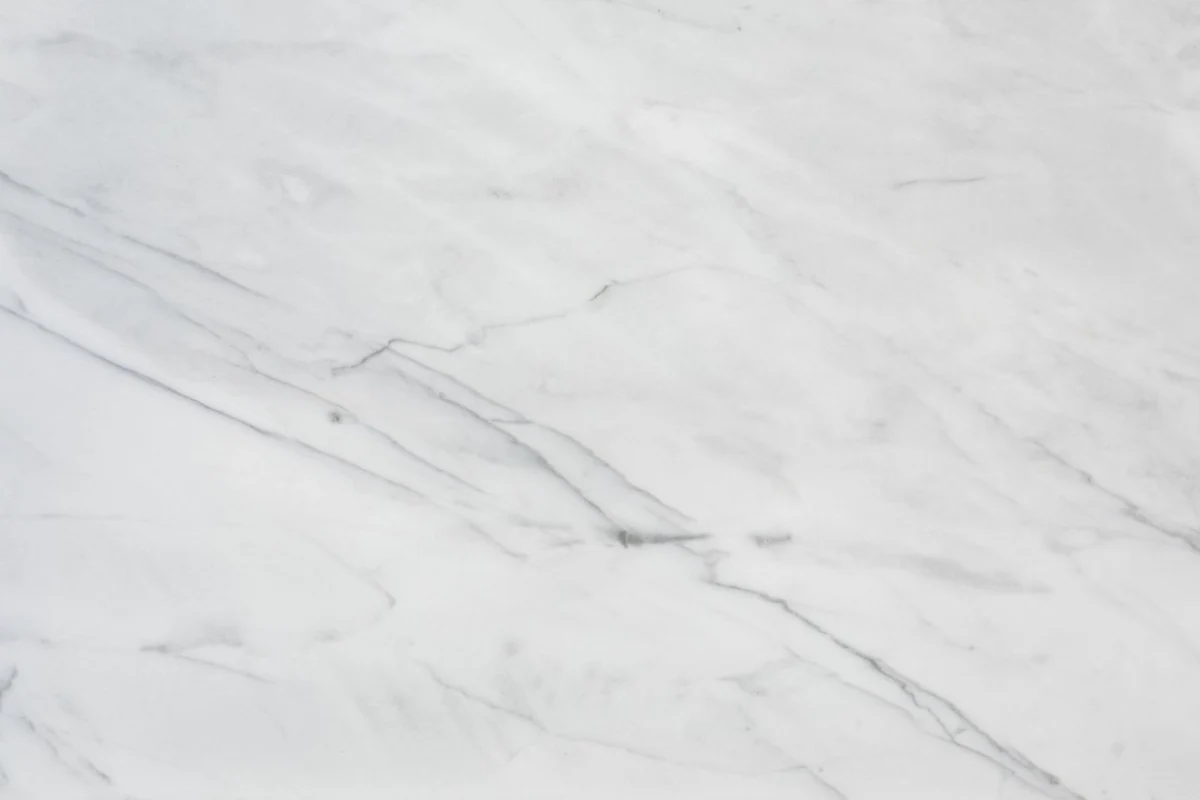
Natural stone tile (marble, travertine, limestone, slate, quartzite, and granite) is among the most beautiful and most demanding flooring and surface materials available. The investment in natural stone tile, which can run $3,000–$60,000 or more for a major installation, is only protected when a consistent, material-appropriate natural stone maintenance program is in place. Without proper sealing and care, marble etches and loses its surface luster, travertine accumulates staining in its pores and voids, limestone develops surface damage from acidic cleaners, and slate exfoliates into layers. With the right maintenance protocol, natural stone surfaces remain beautiful for 50–100+ years, delivering multigenerational value that no other flooring material matches.
This guide provides comprehensive maintenance guidance for all major natural stone types, covering the science behind stone sealing, product selection, cleaning protocols, common damage patterns and their remedies, and the maintenance frequency adjustments required for California's coastal environments.
Understanding Natural Stone Porosity: Why Maintenance Matters
All natural stone (with the exception of dense quartzite and granite) has a porous microstructure, a network of microscopic pores and capillaries formed during geological formation. These pores allow liquids to penetrate the stone, where they either stain (if the liquid carries color) or deposit minerals (if the liquid carries dissolved solids). Without sealing, common household liquids (coffee, red wine, olive oil, lemon juice) penetrate stone surfaces within seconds.
Water absorption rates by stone type (ASTM C97):
- Dense quartzite: 0.1–0.5%, low porosity; minimal maintenance
- Granite: 0.1–0.4%, low-moderate porosity; moderate maintenance
- Marble: 0.4–1.0%, moderate porosity; regular maintenance required
- Travertine: 3–8%, high porosity; significant maintenance required
- Limestone: 4–12%, high porosity; extensive maintenance required
- Sandstone: 8–20%, very high porosity; highest maintenance requirements
Stone Sealers: Types and Selection
Not all stone sealers work the same way or protect the same properties. Understanding sealer chemistry guides correct product selection:
Penetrating Impregnating Sealers
Penetrating sealers work below the stone surface, molecules small enough to enter the stone's pore structure fill those pores with water-repellent (hydrophobic) or oil-repellent (oleophobic) chemistry. When properly applied:
- Water and oil bead on the stone surface, giving time to blot before absorption
- The sealer is invisible: doesn't change the stone's natural appearance or sheen
- The stone remains breathable: vapor can pass through, preventing moisture trapped under a topcoat from causing problems
- The sealer is below the surface: foot traffic doesn't wear it away (unlike topcoat sealers)
Recommended products: Miracle Sealants 511 Impregnator, Aqua Mix Sealer's Choice Gold, Mapei UltraCare Penetrating Sealer, DuPont StoneTech Professional BulletProof Sealer. These are professional-grade penetrating sealers appropriate for all natural stone types.
Topcoat Sealers and Waxes
Topcoat sealers form a film on the stone surface, they're film-formers that coat the stone rather than penetrate it. They change the surface appearance (adding sheen or gloss), protect the stone surface from physical wear and staining, but:
- Wear off with foot traffic and cleaning; need reapplication every 6–18 months on floors
- Can trap moisture if applied over stone that isn't thoroughly dry, causing whitening or delamination
- Remove the stone's natural breathability
- Acrylic topcoats are not appropriate for exterior or wet areas in California's UV environment
Topcoat waxes (Miracle Sealants Tile Lab TopCoat) are appropriate for Saltillo and some terracotta applications where enhanced sheen and additional stain protection are desired beyond a penetrating sealer's protection.
Color-Enhancing Sealers
Color-enhancing impregnating sealers (Miracle Sealants Color Enhancing Impregnator, Tenax Ager) deepen and saturate natural stone color while providing the same penetrating sealer protection. These are excellent for dark slate, honed travertine, and any stone whose natural color is improved by the "wet look." Once applied, the color enhancement is permanent. Test in an inconspicuous area before treating a full installation.
Key fact: The "water test" for stone sealer effectiveness is simple and definitive: place a few drops of water on the sealed stone surface. If the water beads up and doesn't begin absorbing within 4–5 minutes, the sealer is performing effectively. If the water darkens the stone surface within 1–2 minutes (indicating absorption), the sealer has worn out or wasn't applied correctly and needs reapplication. Perform this test annually on all sealed natural stone surfaces, it takes 5 minutes and tells you definitively whether your stone is protected.
Material-Specific Sealing and Maintenance
Marble: Beauty Requires pH Discipline
Marble's defining maintenance challenge is its sensitivity to acid. Marble is calcium carbonate, the same mineral as limestone and seashells, and reacts with any acidic substance (pH below 7) in a process called etching: the acid dissolves the calcium carbonate at the surface, creating a dull, rough spot that is not a stain but physical damage to the stone surface itself. Common etching agents in residential settings: lemon juice, vinegar, acidic cleaning products, wine, coffee, and any citrus.
Sealing protocol for marble:
- Apply penetrating impregnating sealer at installation; professional application recommended for new installations
- Reapply annually for marble floors; every 18–24 months for marble walls and minimal-traffic surfaces
- Perform water test to verify sealer effectiveness; reapply when water no longer beads
Cleaning protocol for marble:
- Daily: dry dust mop or microfiber mop to remove grit that scratches marble surface; grit is more damaging to marble than liquid spills
- Weekly: damp mop with pH-neutral stone cleaner (Miracle Sealants Stone & Tile Cleaner, Aqua Mix Stone & Tile Cleaner) diluted per instructions; never use vinegar, Windex, bleach, or any acidic or alkaline cleaner
- Spills: blot immediately with clean cloth; don't rub; follow with pH-neutral cleaner rinse
Etching repair: Light etching (small dull spots) can be treated with marble polishing compound (Miracle Sealants Marble Polishing Compound) and hand buffing. Deep etching or widespread surface loss requires professional honing and polishing.
Travertine: Fill, Seal, and Frequent Attention
Travertine's characteristic voids, the cross-section of an ancient freshwater pool that created the stone, must be filled at installation with grout or epoxy. Unfilled travertine accumulates debris, moisture, and cleaning chemical residue in its voids that is essentially impossible to remove once embedded.
Sealing protocol for travertine:
- Apply penetrating sealer at installation; travertine's high porosity may require 2 applications (apply, allow to absorb 5 minutes, wipe residue, reapply, wipe residue after 15 minutes)
- Reapply every 12 months for floors; 18 months for walls; 6–12 months for coastal locations within 2 miles of ocean
Cleaning protocol:
- Same pH-neutral requirement as marble: travertine is calcium carbonate and etches from acid exposure
- Check and regrout voids if filled grout begins to crack or loosen: open voids in a sealed floor undermine the sealer's effectiveness at the void locations
Slate: Low-Porosity but Cleave-Sensitive
Slate is more forgiving than marble or travertine for chemical exposure, its crystalline structure is not calcium-based, so acids don't etch it. The maintenance concerns with slate are different:
- Natural cleavage: slate is a layered stone that can delaminate along its natural cleavage planes, especially in wet applications; specify thick (3/8"+) slate and ensure full mortar bed support
- Surface texture: slate's textured surface accumulates dirt in the surface micro-roughness; more cleaning effort required than smooth stone
- Sealing: color-enhancing sealer is typically recommended to unify the natural variation in slate and provide stain resistance; apply at installation and reapply every 24–36 months
Quartzite: Lower Maintenance but Verify It's Actually Quartzite
True quartzite (metamorphic rock, Mohs hardness 7+) is the most durable and lowest-maintenance natural stone for residential use, resistant to acid etching, low porosity, and excellent scratch resistance. However, the market has significant mislabeling: many stones sold as "quartzite" are actually soft marble or dolomitic marble that etches readily. Test any stone labeled quartzite: drop a few drops of dilute vinegar on an inconspicuous area and leave for 2 minutes. If any dulling or fizzing occurs, the stone is calcium-based (marble or dolomitic marble) regardless of the retailer's label, and requires marble maintenance protocols.
Pro tip: For California homeowners with natural stone tile in outdoor applications (patios, pool decks, entry steps), build an inspection and maintenance habit tied to the seasons: inspect and assess sealer every spring before the UV-intense summer season begins and every fall before winter rain begins. Spring inspection focuses on whether the sealer has been degraded by the previous summer's UV; fall inspection focuses on whether sealer is adequate to protect the stone through rain season's repeated wetting. The twice-annual inspection keeps you ahead of sealer failures, a $150 sealer reapplication prevents a $3,000 stone refinishing project caused by years of unprotected stone exposure.
Common Natural Stone Damage and Remediation
Staining
Stone stains require poultice treatment, a paste of absorbent material (diatomaceous earth, flour, or commercial poultice powder) mixed with a stain-dissolving chemical and applied over the stain, covered with plastic wrap, and left for 24–48 hours to draw the stain out of the stone pores as the poultice dries. Stain type determines the chemical:
- Oil stain: mix poultice powder with acetone or mineral spirits
- Organic stain (coffee, wine, food): mix with hydrogen peroxide (12% solution)
- Rust stain: use commercial rust remover (Iron OUT) mixed into poultice; do not use on marble or limestone
- Water mineral scale: use phosphoric acid solution diluted 1:10, but NOT on marble or limestone (etches)
Etching (Marble and Limestone)
Light etching: hand-polish with marble polishing powder (tin oxide compound) and a soft cloth. Moderate etching: professional honing (3,000–7,000 grit diamond abrasive) to remove the damaged surface layer. Heavy etching over large areas: professional full hone and polish ($4–$12/sq ft depending on damage severity and stone type).
Summary: Consistent Care Protects a Multigenerational Investment
Natural stone tile maintenance is not complicated, it's consistent application of a few simple protocols: seal with a quality penetrating impregnating sealer, clean with pH-neutral products, respond quickly to spills, and reapply sealer on the appropriate schedule. The effort investment is modest; the payoff is a tile installation that appreciates in quality and beauty over decades rather than degrading. Stone that was properly maintained for 50 years looks better than stone that was neglected for 10, a reality unique to natural stone among flooring materials and a compelling reason to commit to the maintenance protocol that protects one of the most valuable surface investments a homeowner can make.