Grout covers only a small percentage of your tiled surface, typically 5 to 15 percent depending on tile size and joint width, but its color has an outsized effect on the finished look. The wrong grout color can make beautiful tile look cheap, dated, or busy. The right grout color can unify a design, add sophistication, and either make the tile pattern pop or recede into a seamless field of color.
Choosing grout color is one of the last decisions in a tile project but one of the first things visitors notice about the finished installation. This guide explains the key principles and practical considerations that help homeowners and designers in San Diego and Southern California make confident grout color decisions.
The Four Core Strategies for Grout Color
Matching Grout
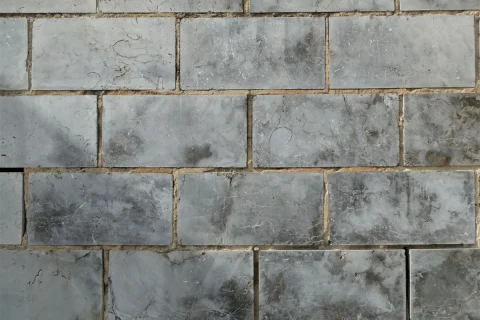
Matching grout closely approximates the base color of the tile, creating a visually cohesive surface where the grout joints nearly disappear. This is the preferred approach for:
- Large-format tile where you want to minimize the visual grid effect
- Natural stone installations (marble, travertine, limestone) where the goal is a seamless, slab-like appearance
- Porcelain wood-look planks where grout lines that match the plank color look like the gaps between actual wood boards
Matching grout is extremely popular in contemporary San Diego bathroom remodels where large-format white or light gray porcelain is tiled floor to ceiling. With a 1/16-inch joint and white grout, the tile wall reads almost as a single continuous surface.
Contrasting Grout
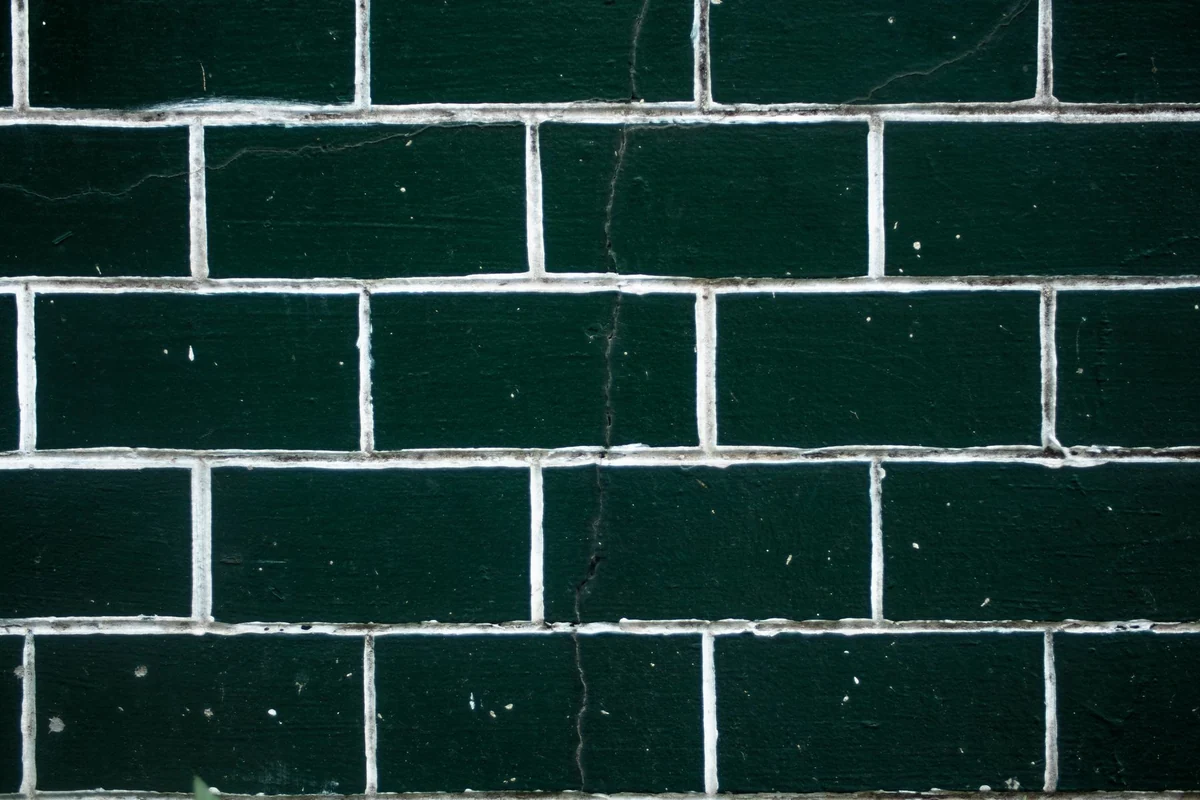
Contrasting grout deliberately highlights the tile pattern by using a noticeably lighter or darker color than the tile. The classic example is white subway tile with charcoal or dark gray grout, a look that is simultaneously classic and contemporary, endlessly popular in San Diego kitchens and bathrooms.
Contrasting grout works best when:
- The tile pattern itself (herringbone, stacked, diamond) is worth highlighting
- The tile has interesting texture or relief that reads better with a darker grout in the recesses
- You want the tile to read as individual units rather than a unified field
Grout as an Accent Color
Less common but increasingly popular in high-end design work, an accent grout color makes the grout itself a design element. Cobalt blue grout with white Zellige-inspired handmade tile, terracotta grout with cream subway tile, or sage green grout with white marble hexagons: these combinations make the grout lines part of the visual composition rather than a neutral connector.
This approach requires more commitment since the grout color is difficult to change after installation and will trend with the overall tile design. It works best in accent areas (a single backsplash wall, a decorative niche) rather than throughout an entire bathroom.
Neutral Grout
When in doubt, a medium gray is the safest grout color for most tile installations. It is light enough to not overwhelm colorful or patterned tile, dark enough to hide normal everyday soiling better than white, and neutral enough to not fight with any other design element in the room. For homeowners in San Diego concerned about resale value, a medium gray or warm greige grout is the lowest-risk choice across nearly any tile color.
Key fact: Grout manufacturers typically offer 40 to 60 standard colors per product line. Mapei, Laticrete, and Custom Building Products, the three dominant grout brands in the California market, all produce physical sample chips and large-format sample grout displays that tile showrooms carry. Never choose a grout color from a screen or a printed color chart alone. The cured grout color can differ significantly from the wet mixed color and from the printed representation.
How Grout Color Changes After Curing
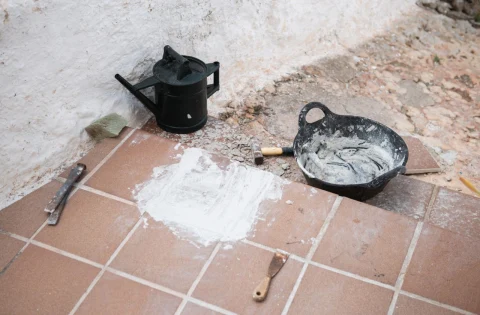
Wet, freshly mixed grout is typically 2 to 4 shades darker than the cured, dry grout. This trips up homeowners who look at their freshly grouted tile and think the color is perfect, only to find it looks much lighter after 24 to 48 hours of drying. Conversely, a grout color that looks too light in the bucket often looks exactly right when cured.
The most reliable way to preview grout color is to take a chip sample of your tile to the tile showroom and hold it against the physical grout color display, ideally the larger tiles used in showroom displays where you can see how several square feet of grout-on-tile actually read from a normal viewing distance.
Light Grout vs Dark Grout: Maintenance Reality
This is the most underappreciated practical consideration in grout color selection:
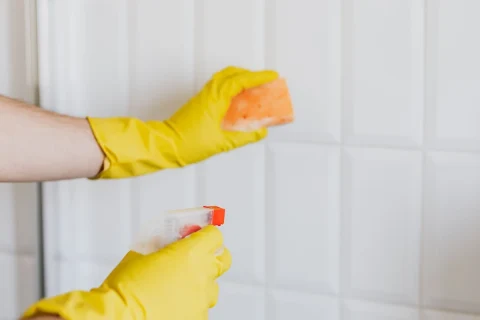
- White and very light grout: shows dirt, soap scum, mold, and discoloration readily. Requires more frequent cleaning to maintain appearance. Benefits from epoxy grout or a quality grout sealer applied immediately after curing.
- Dark grout: hides dirt well but can fade or show efflorescence (white mineral deposits) over time, especially in wet areas. Dark grout in a shower may show white mineral deposits from hard water, a common issue in parts of San Diego and the Inland Empire where water hardness is moderate to high.
- Medium neutral grout (gray, greige, warm beige): the maintenance sweet spot, hides normal dirt better than white, does not show mineral deposits as dramatically as dark grout.
Pro tip: If you love the look of white grout but are concerned about maintenance, consider using a penetrating grout sealer (not a topical coating) within 72 hours of the grout curing fully. Penetrating sealers like Aqua Mix Sealer's Choice Gold or Miracle Sealants 511 Impregnator do not change the appearance of the grout but significantly reduce stain absorption. Reapply annually in high-use areas like kitchen floors and shower floors.
Grout Color and Tile Size
The smaller the tile, the greater the percentage of the total surface area covered by grout, and the more the grout color dominates the overall look. This matters for decisions like:
- Mosaic tile (1x1 to 2x2 inches): grout covers 20-35% of the surface. A dark grout with light mosaic tile creates a completely different visual effect than matching grout. Consider carefully, contrasting grout makes every individual tile pop and can be busy in large areas.
- 4x4 or 6x6 inch tile: grout covers roughly 10-20%. Color is very visible and influential.
- 12x24 inch tile with 1/8-inch joints: grout covers roughly 3-5%. Color impact is much lower. This is where matching grout really can look seamless.
- 24x24 inch tile with 1/16-inch joints: grout covers less than 2%. Almost any grout color works; the difference between options is minimal at normal viewing distances.
Matching Grout to Other Room Elements
Do not look at grout color in isolation. Consider:
- Cabinetry: a kitchen backsplash grout should relate to the cabinet color, not just the tile color. White grout with white subway tile looks different behind white cabinets (seamless) than behind dark navy cabinets (the tile grid reads clearly).
- Countertops: if the countertop has a warm undertone, warm greige or sand grout tends to read better than cool gray grout on the backsplash.
- Flooring: in open-plan spaces where tile flooring and wall tile are both visible, grout colors do not have to match exactly but should be in the same tonal family to avoid visual conflict.
- Natural light: test a grout color sample on the actual wall at different times of day. San Diego's strong, warm natural light can make cool gray grout look almost blue in the afternoon and warm beige grout look almost white in direct sun.
Grout Type and Color Options
Not all grout types offer the same color range:
- Standard Portland cement grout: widest color range, most affordable. Colors can fade or shift over time and with cleaning products.
- Epoxy grout: limited to the manufacturer's palette (typically 20-40 colors), but color is permanently locked in, epoxy grout does not stain, fade, or change color over time. The gold standard for shower floors and high-use kitchen floors in Southern California.
- Urethane grout (Mapei Ultracolor Plus FA, Custom Fusion Pro): similar color permanence to epoxy with easier installation. Excellent stain resistance. Good middle-ground option between standard and epoxy.
Summary: Grout Color Decision Guide
Making the right grout color choice comes down to three questions: Do you want the tile pattern to be emphasized or minimized? How much ongoing cleaning maintenance are you willing to do? And how does the grout color relate to the other fixed elements in the space, cabinets, countertops, adjacent flooring?
For homeowners across San Diego and Southern California, the current design environment favors medium-to-light neutral grouts in contemporary spaces, with white or dark contrasting grout for backsplash applications where the tile pattern is the design statement. Whatever you choose, make that decision with a physical sample held against your actual tile in your actual space before ordering, and factor in the long-term maintenance reality of your color choice.