The substrate is the foundation of any tile installation. Get it right and your tile will last for decades. Get it wrong and you will be dealing with cracked grout, loose tiles, and water damage within a few years, regardless of how expensive or beautiful the tile itself is. The two most common substrate options in residential tile work are the mud bed (mortar bed) and cement backer board, and choosing between them is one of the most consequential decisions in any tile project.
Both systems can produce excellent results in the right applications. This guide explains what each system is, where each performs best, and how to choose between them for floors, shower floors, wall installations, and other common applications in San Diego and Southern California homes.
What Is a Mud Bed?
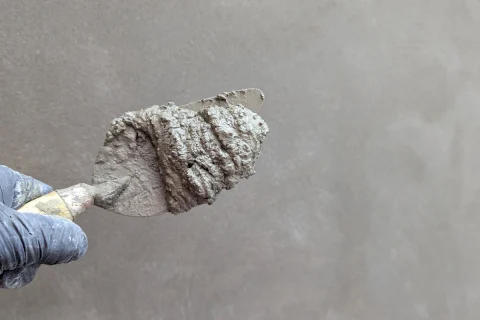
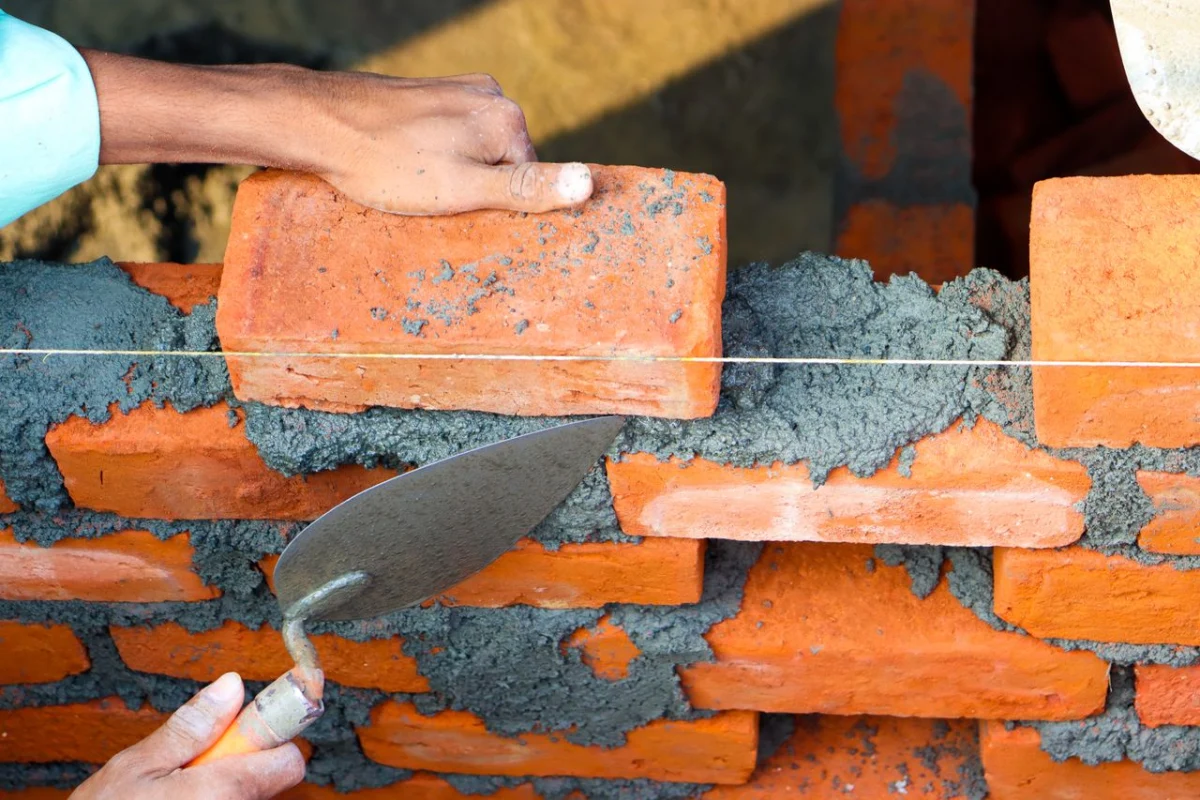
A mud bed (also called a mortar bed, float bed, or deck mud) is a layer of stiff Portland cement mortar, typically mixed with sand at a 5:1 (sand to Portland) ratio with minimal water. It is packed and floated over the substrate to create a perfectly flat or pitched surface. When cured, it is extremely dense and hard, far more rigid than any panel product.
Mud beds are the traditional method, used by professional tile setters for generations. On floors, a mud bed is typically 1.25 to 2 inches thick. On shower floors, it provides the sloped surface that directs water to the drain. On walls, a thinner scratch-and-brown coat system (called a float coat or wire lath mortar bed) can be used, though this technique is less common in residential work today.
Key characteristics of a mud bed:
- Fully custom: can be sloped in any direction to any pitch
- Self-leveling when floated correctly: creates a perfectly flat surface
- Adds significant weight: a 1.5-inch mud bed weighs approximately 18 pounds per square foot
- Requires skill and experience to float correctly, not a beginner technique
- 3-day cure time before tiling
- Material cost is low; labor cost is moderate to high (requires experience)
What Is Cement Backer Board?
Cement backer board is a panel product, typically 1/4 to 5/8 inch thick, made of Portland cement reinforced with fiberglass mesh or aggregate. Common brands include HardieBacker (James Hardie), Durock (USG), and PermaBase. These panels are screwed to the structural substrate (plywood subfloor or wall framing) and the seams are taped with alkali-resistant mesh tape set in thinset before tiling.
Backer board is the modern standard for most residential tile installations and has largely replaced mud beds in the DIY and mid-range contractor market because it is:
- Faster to install than a mud bed
- Available at every home improvement store
- Predictable thickness (panels are uniform)
- Does not require specialized floating skills
- Lighter than a mud bed
Key fact: Despite widespread use, cement backer board is NOT inherently waterproof. HardieBacker, Durock, and similar products are water-resistant (they will not deteriorate when wet), but water passes through them. In shower applications, a separate waterproofing membrane (liquid-applied or sheet membrane) must be installed over the backer board. Many failed shower tile installations in San Diego homes result from relying on backer board alone for moisture management without an additional waterproofing layer.
Where Each System Performs Best
Shower Floors
This is the application where mud bed has a clear technical advantage. The shower floor requires a precise slope of 1/4 inch per foot toward the drain. Achieving this slope with backer board panels requires either pre-sloped foam substrates (like Schluter KERDI-SHOWER-SL or similar products) or extensive shimming and cutting, which is time-consuming and error-prone.
A traditional mud bed shower floor is floated over a waterproof liner (CPE liner or hot-mop) directly. The slope is built into the mortar as it is packed and screeded. An experienced tile setter can float a perfectly pitched shower floor in less than an hour. The result is structurally sound, perfectly pitched, and ready for tile after a 3-day cure.
That said, for homeowners and contractors not experienced with mud bed work, modern pre-sloped foam shower systems (Schluter, Wedi, Laticrete) offer a practical alternative: they come pre-sloped from the factory and integrate with waterproofing membranes, eliminating the need for traditional mud bed skills.
Bathroom and Kitchen Floors
For flat floors, backer board is the standard choice in most residential projects. A 1/2-inch plywood subfloor plus 1/4-inch backer board equals the same total thickness as a mud bed, adds far less weight, and takes a fraction of the time to install.
However, if the existing floor is out of level or has significant dips and humps, a mud bed is superior because it can be floated level regardless of the subfloor condition. This is a common situation in older San Diego homes: a 1950s or 1960s slab or wood subfloor that has settled unevenly is far easier to address with a self-leveling mortar or mud bed than by trying to shim backer board flat.
Pro tip: For floors with minor irregularities (less than 3/8 inch over 10 feet), a self-leveling underlayment (like Laticrete NXT Level or Mapei Ultraplan) poured over the existing substrate can correct the floor before installing backer board or tiling directly. This is often the fastest and most cost-effective approach for San Diego homeowners working with concrete slab homes that have developed minor surface unevenness.
Shower Walls
Backer board dominates for shower walls in modern residential work. It installs quickly, provides a suitable flat surface for tile when installed correctly, and is completely dimensionally stable when wet. When combined with a liquid-applied or sheet waterproofing membrane, backer board shower walls perform excellently for decades.
Mud bed shower walls (traditional float coat systems) are still used by old-school tile setters and in high-end custom shower work, but they require wire lath, multiple mortar coats, and skill levels rarely found in the general contractor market today. For most residential projects, backer board plus membrane is the better practical choice for walls.
Tile Over Plywood
In dry areas like living rooms and hallways, can tile go directly over plywood? Technically yes if the plywood is thick enough and rigid enough: TCNA allows tiling over two layers of 3/4-inch plywood with no additional substrate in dry areas. But this is not recommended for bathrooms or any area subject to moisture. The practical choice for most homeowners is backer board over plywood for a predictable, code-compliant substrate at minimal additional cost.
Cost Comparison
Material costs favor the mud bed: Portland cement and sand are inexpensive, roughly $0.50 to $1.00 per square foot in materials. Cement backer board runs $0.75 to $1.50 per square foot for the panel plus screws, tape, and thinset for embedding the board.
Labor tells the opposite story. A skilled tile setter can install backer board at twice the speed of floating a mud bed. In the San Diego contractor market where labor rates for skilled tile work run $65 to $95 per hour, the labor saving from backer board typically makes it the less expensive total cost option for wall and flat floor applications. For shower floors, the premium of a properly floated mud bed is often justified by the superior pitched surface it produces.
Making the Decision
Choose a mud bed when:
- You need a custom pitch (shower floor, wet room floor, exterior drainage)
- The existing substrate is significantly out of level and needs correction over a large area
- You have a skilled tile setter on the job experienced with float work
- You want the densest, most rigid possible substrate for a large-format stone or porcelain floor
Choose cement backer board when:
- The substrate is already reasonably flat and level
- The project is a standard bathroom floor or wall
- Speed of installation is a priority
- The installer is not experienced with mortar bed floating
- Weight is a concern (upper floors, prefab floor systems)
Summary
Neither mud bed nor backer board is universally superior: each excels in specific applications. The mud bed remains the gold standard for shower floors requiring custom pitch and for heavily loaded, high-end floor installations. Backer board is the practical, code-compliant choice for shower walls and standard floor installations where the substrate is already in good condition. For homeowners in San Diego planning a tile project, understanding this distinction helps you have more informed conversations with your contractor and make smarter decisions about where to invest in substrate quality.